4
.
12
.
2025
New in JOURNAL ONKOLOGIE: Comprehensive VRL update and DECODE VRL study status
New publication in the Journal Onkologie
Read moreVitreoretinal lymphoma (VRL) is a rare, aggressive form of blood cancer that affects the eye and is often difficult to diagnose. With this study, we want to develop new, improved molecular diagnostics and implement it in Germany to enable early, precise diagnosis. Standardised diagnostics should shorten the time until diagnosis and increase diagnostic accuracy for patients with VRL.
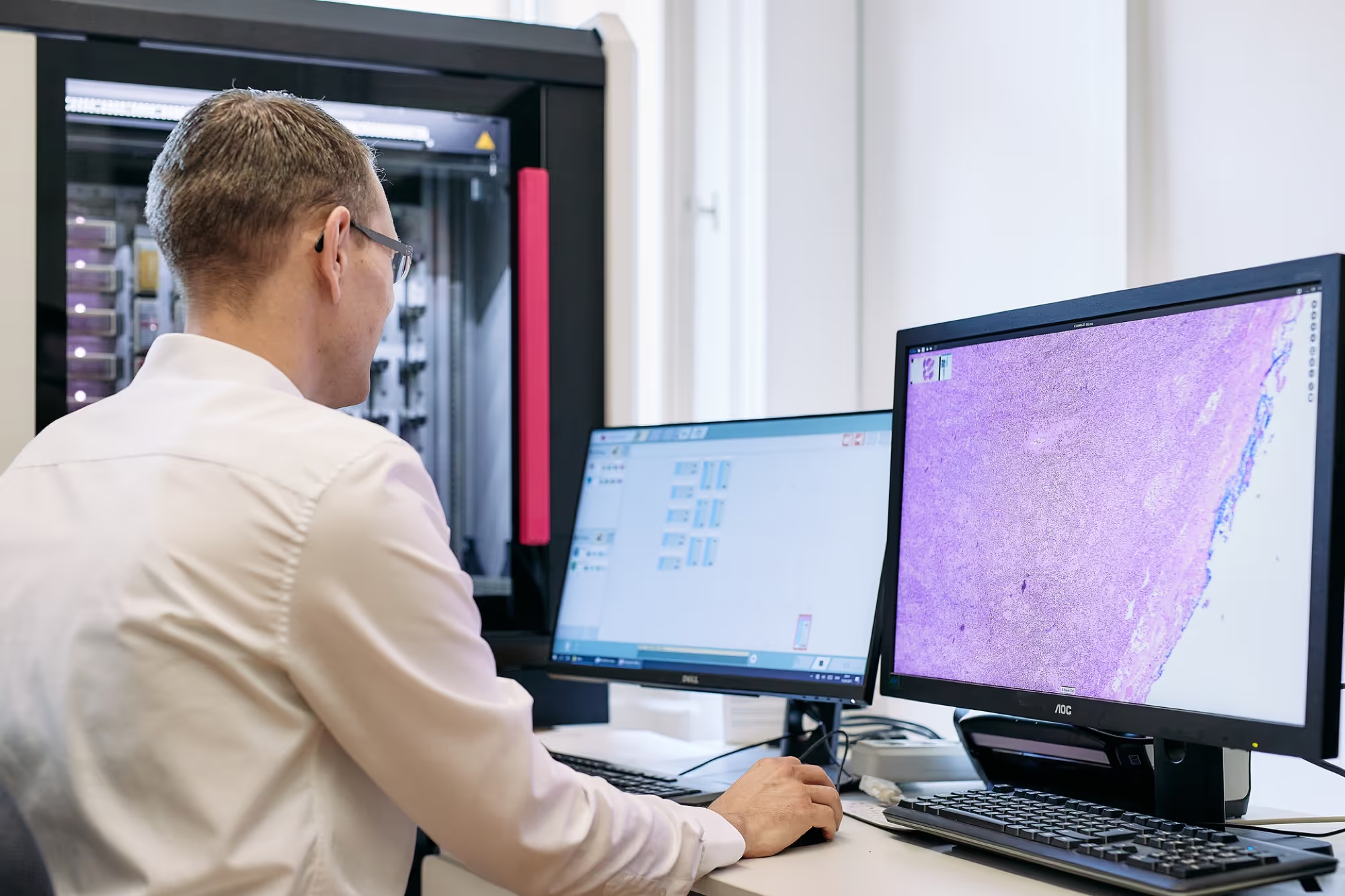
The DECODE VRL study is an innovative clinical and molecular biological research project that deals with the development and validation of modern molecular genetic diagnostic methods for vitreoretinal lymphoma (VRL) — a rare, very malignant and difficult to diagnose eye cancer. The full version of the study title is: “Multicenter implementation and clinical validation of standardized, innovative molecular biological diagnostics for vitreoRetinal Lymphoma (VRL)”.
The aim of the study is to use new diagnostic technologies to enable an early and precise diagnosis that allows treatment to start earlier and thus prevent further spread. The project is being carried out by leading medical and scientific experts from various fields such as ophthalmology, molecular pathology, hematopathology and oncology, and currently with the participation of 13 sample-collecting study centers in Germany and is financially supported by German Cancer Aid. It represents an important step towards standardizing the diagnosis and thus treatment of rare cancers at national level and improving them in the long term.
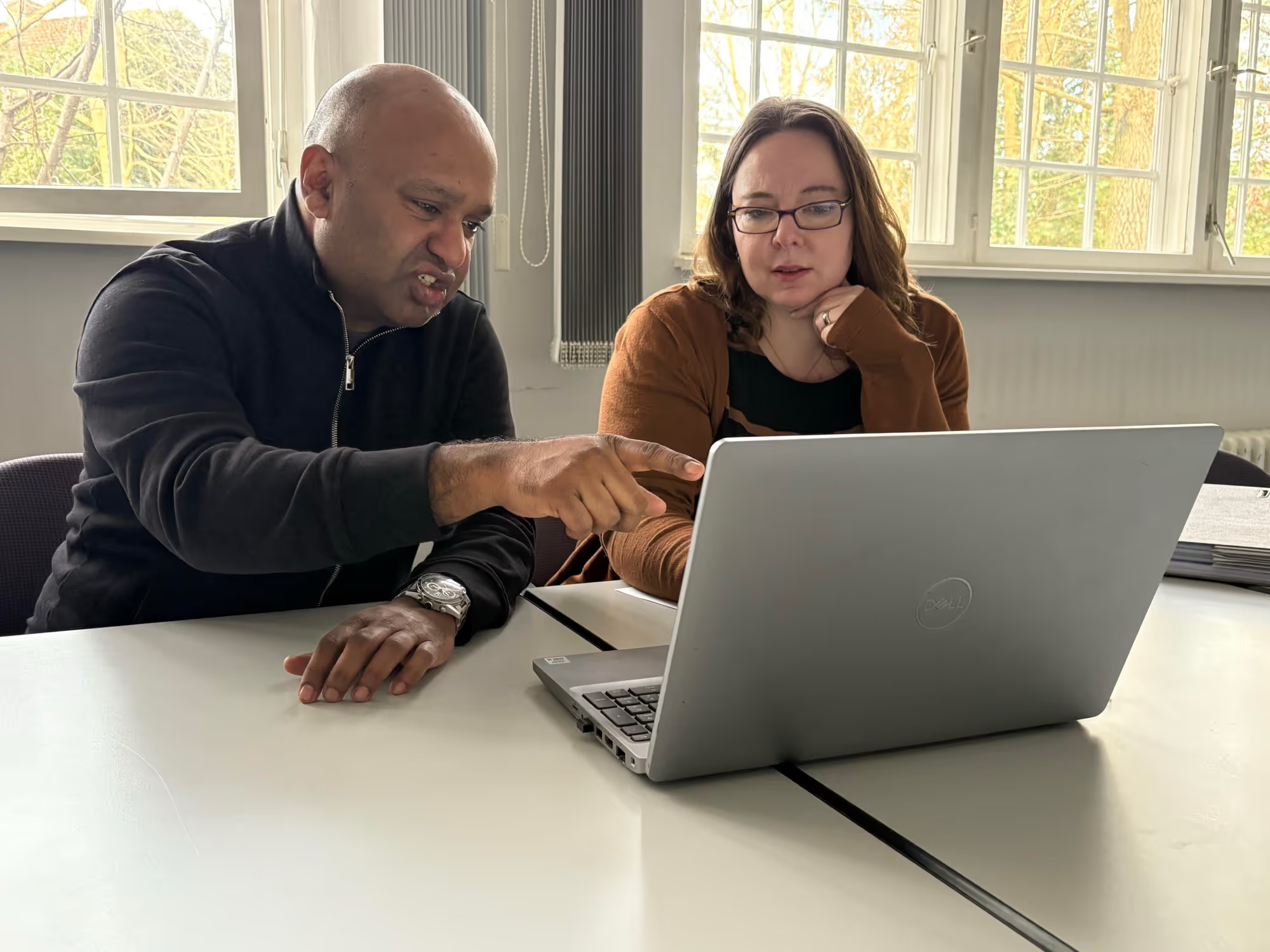
Vitreoretinal lymphoma is one of the most difficult diseases to diagnose in ophthalmology. The symptoms and clinical signs are non-specific and often resemble an inflammatory disease such as uveitis. In everyday hospital life, this similarity often means that the disease is overlooked for a long time — sometimes over several months or years.
However, since VRL is a malignant and life-threatening disease, rapid and precise diagnostic methods are crucial. Challenges so far include:
- Lack of standardized diagnostic procedures
- Limited sensitivity and specificity of existing methods
- Lengthy diagnostic processes, which often require invasive procedures
- Limited availability of specialized diagnostics in just a few centers
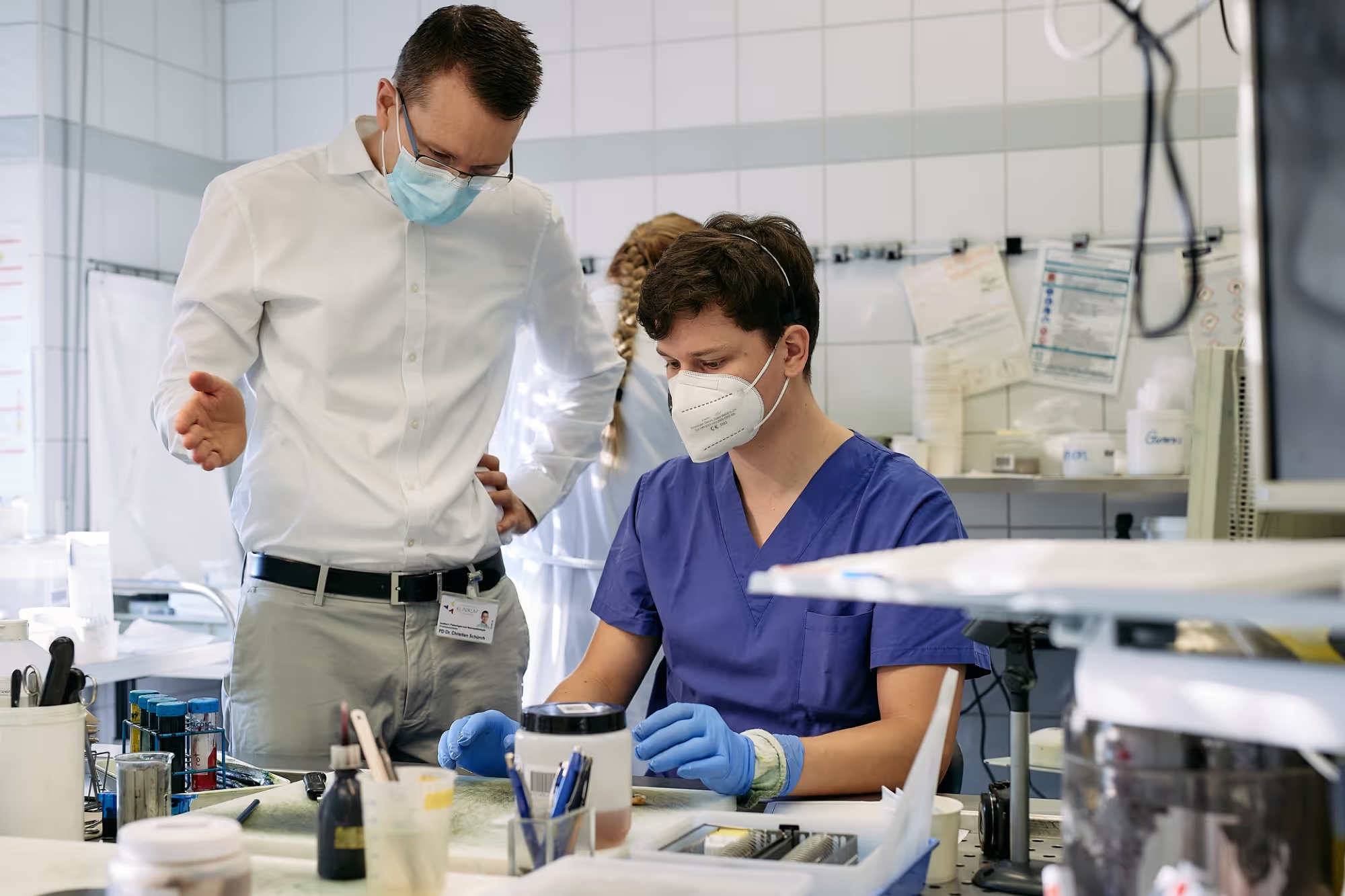
The DECODE VRL study is the only funded multicenter study on vitreoretinal lymphoma in Germany and beyond, which brings together experts from various disciplines and integrates cutting-edge technologies into clinical practice that were previously only available in specialized research institutions:
The results of this study could significantly improve the lives of patients with VRL. The data collected and methods developed can be used both for the patients involved in the study and for future patients:
4
.
12
.
2025
New publication in the Journal Onkologie
Read more3
.
12
.
2025
Publication about Decode VRL published in “Der Ophthalmologe”.
Read more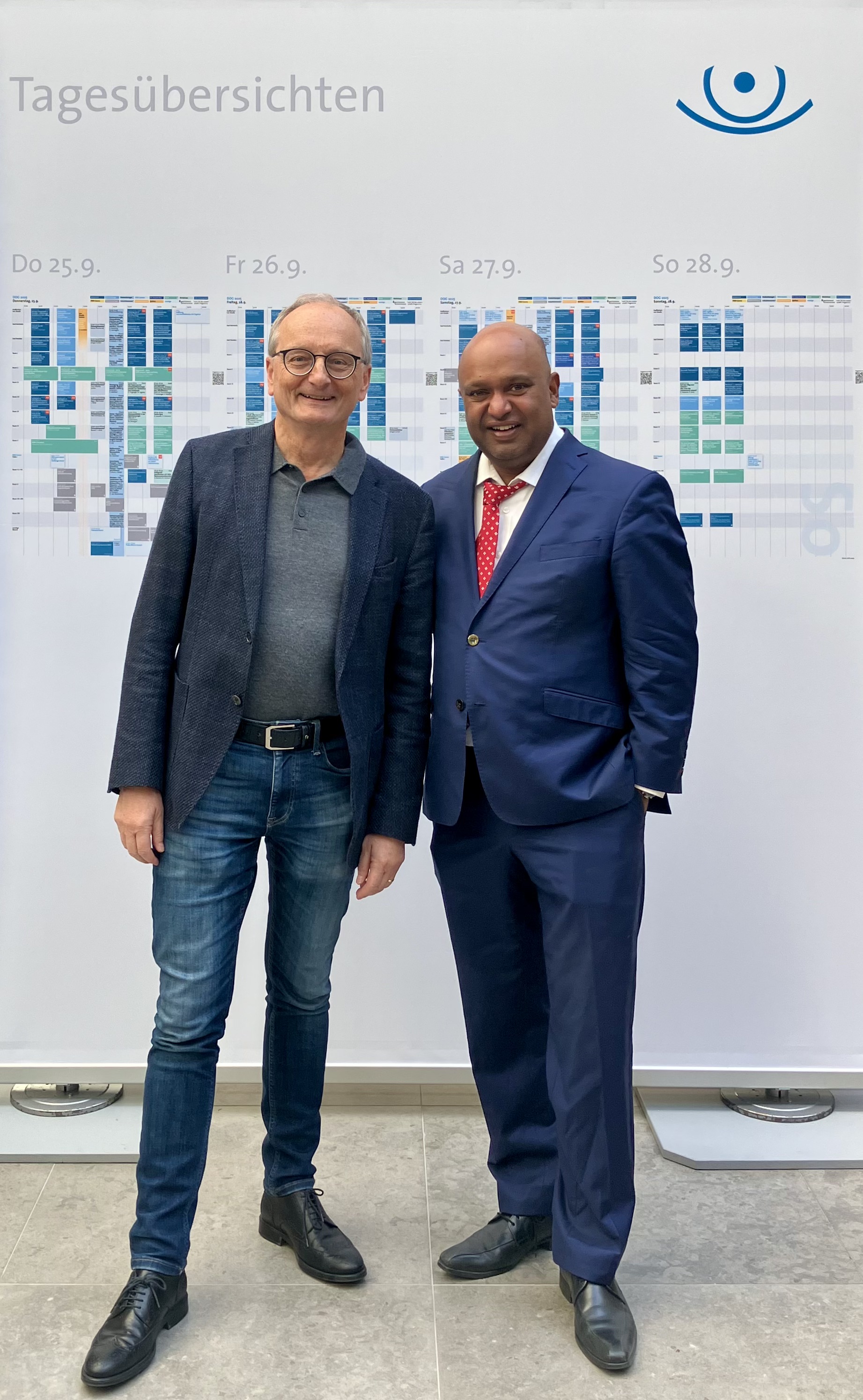
6
.
10
.
2025
How is the DECODE VRL study progressing? At the study meeting on September 27, 2025 at the DOG Congress in Berlin, all participating centers came together to answer exactly this question, with exciting insights and clear next steps.
Read more
24
.
05
.
2022
Ärzteduo aus Lübeck und Tübingen erhält Förderung der deutschen Krebshilfe für multizentrische Studie des Netzhautlymphoms
Read more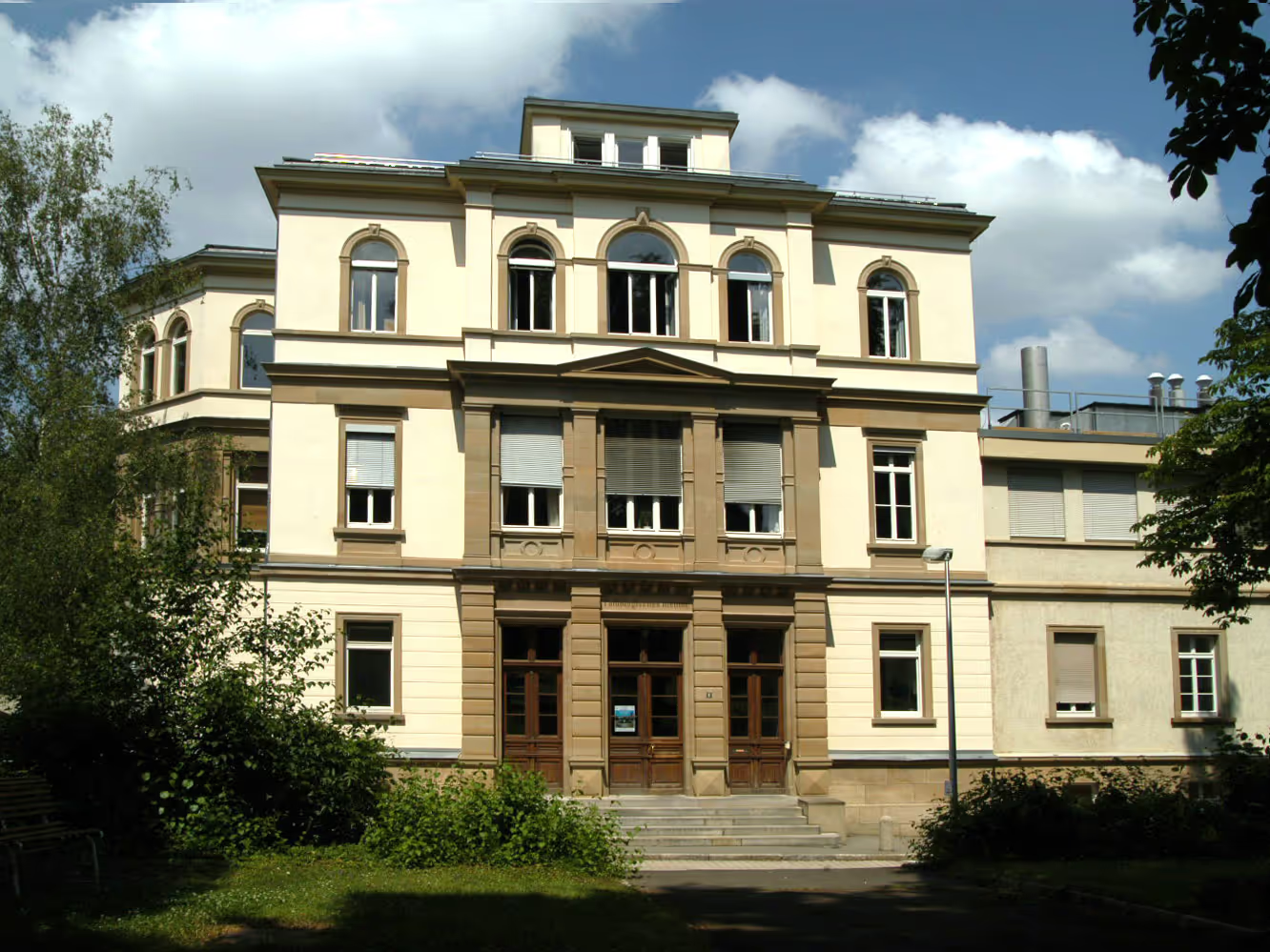
The DECODE VRL study is not just a research project, but a platform for collaboration between science and clinic. It represents a model of how interdisciplinary approaches and modern technologies can contribute to solving complex medical challenges.
For patients: Improving diagnostics and long-term treatment options.
For research: Establishing new standards for rare cancers.
For the medical community: Promoting knowledge transfer and cooperation between clinics and research institutions.
The study is intended to go beyond mere diagnostics and serve as a basis for future therapeutic studies. In the long term, the network created by the DECODE VRL study could contribute to setting international standards for the treatment of eye tumours and related diseases.
The DECODE VRL study is carried out by German Cancer Aid supported and carried out and advised by leading medical centers and experts in Germany, including:

University Hospital Schleswig-Holstein (UKSH): Study coordination center, under the clinical direction of Prof. Dr. Vinodh Kakkassery
Tübingen University Hospital: Center for Molecular Diagnostics of the Study, under the molecular biological direction of Prof. Dr. Falko Fend.
German Lymphoma Alliance: Cooperation for long-term analysis of lymphoma data.
Retina.net: Cooperation for multi-center collaboration, as a network with leading eye specialists.
Whether as a patient, relative, medical professional colleague or supporter: Your involvement and interest are decisive for the success of the DECODE VRL study.
Contact us if you have any questions about the study, participation or the scientific background.
Liv Dollmann
Study coordination
Department of Ophthalmology, University Hospital Schleswig-Holstein
Lübeck Campus
Phone: +49 451 500-43911
email: liv.dollmann@uksh.de
Working together for better diagnosis and treatment of vitreoretinal lymphoma.
“Your support brings us one step closer to deciphering lymphoma in the eye”